What is a dashboard in digital marketing?
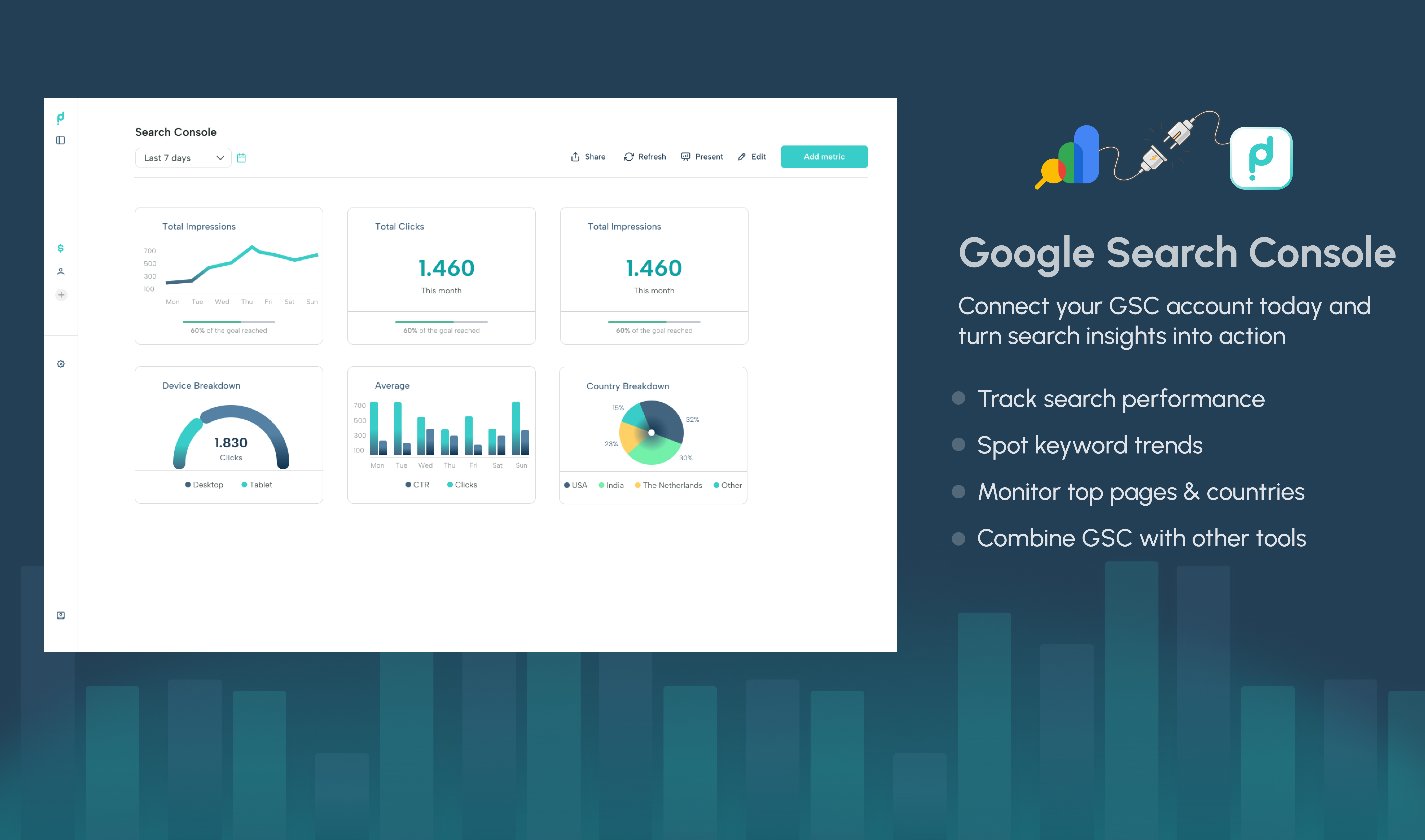
In digital marketing, data moves quickly. Campaigns run around the clock, user behavior shifts without warning, and new channels appear every few months. Because of this constant change, marketers need a clear way to monitor what is happening across all their efforts. This is where a digital marketing dashboard comes in. It is a tool that gathers key metrics in one place so that teams can understand performance without digging through endless spreadsheets or switching between several platforms.
A Simple Definition
A digital marketing dashboard is a visual report that displays the most important metrics for your marketing efforts. It brings data from multiple sources into a single screen and presents it in charts, tables, or trend lines. Instead of looking at each platform one by one, the dashboard acts as the central view that shows how everything performs together.
Why Dashboards Matter
Marketing produces a large amount of data, but not all of it is useful. A dashboard filters out the noise and highlights the numbers that matter most to your goals. When done well, it helps you answer questions such as:
• Are my campaigns bringing in qualified leads • Which channels produce the highest return • How are users behaving on my website • Is my spending aligned with the results I am getting
Without a dashboard, these questions require manual work and slow decisions. With one, you can spot problems early and adjust your strategy before losing time or budget.
What Good Dashboards Include
A strong digital marketing dashboard focuses on clarity. It avoids vanity metrics and favors indicators that actually guide decisions. While every team has different needs, most dashboards contain a mix of the following:
Acquisition Metrics
These show how people find you. Examples include website traffic, traffic sources, new users, impressions, reach, and click through rate.
Engagement Metrics
These reflect how people interact with your content. Common ones include session duration, bounce rate, pages per session, social interactions, video watch time, and email open and click rates.
Conversion Metrics
These track outcomes that matter to the business. Examples include leads generated, conversion rate, cost per acquisition, and revenue.
Retention Metrics
For subscription and product-led businesses, retention is critical. Dashboards may show churn rate, returning users, user cohorts, or reactivation numbers.
Cost and ROI Metrics
Marketers often add advertising spend, customer acquisition cost, and return on ad spend to understand if campaigns are profitable.
Where Dashboards Pull Data From
Modern dashboards often connect to several marketing tools at once. Some common sources include Google Analytics, Google Ads, Meta Ads, LinkedIn Ads, email platforms, SEO tools, social media accounts, and CRM systems. With an integrated approach, a dashboard becomes a unified source of truth instead of separate data silos.
How Dashboards Help Teams Work Better
Dashboards do more than show numbers. They improve alignment between teams. When marketing, product, and leadership all look at the same metrics, decisions become smoother and more consistent. A dashboard also encourages experimentation. If a team runs a new campaign, they can track its results in real time and quickly understand if the experiment works.
Another benefit is accountability. When performance becomes transparent, it is easier for teams to set goals, measure progress, and understand what needs improvement.
Common Mistakes to Avoid
Many dashboards fail because they show too much information. A good rule is to keep only what directly answers the questions your team cares about. Another common mistake is building a dashboard once and never updating it. Marketing strategies change. Your dashboard should evolve with them.
Finally, some dashboards rely heavily on vanity metrics. High impressions or follower counts may look impressive, but they do not always connect to business outcomes. A useful dashboard keeps the focus on results rather than surface level numbers.
The Future of Digital Marketing Dashboards
As marketing becomes more automated, dashboards are becoming smarter. Some tools now use predictive analytics to forecast trends or highlight unusual activity. Others integrate with financial systems so that marketers can understand the real cost of each campaign. The overall direction is clear. Dashboards are shifting from simple reporting tools to decision making systems.
Conclusion
A digital marketing dashboard is an essential tool for any modern marketer. It gathers key data in one place, cuts through complexity, and helps teams make decisions based on evidence rather than guesswork. When designed with clarity and purpose, a dashboard becomes a powerful asset that guides strategy, improves performance, and supports long term growth.